Popular FAQs About Residential HVAC Sanitizing
Wondering if your residence needs ductwork sanitation? Over time, pet dander build up in your HVAC system, reducing energy savings. A local air duct cleaner can uncover hidden issues and improve your indoor air quality.
- Emergency duct repair services offer rapid results
- Duct sealing helps prevent airflow issues
- Many providers include eco-friendly cleaning in professional ductwork sanitation
Whether you're dealing with excessive dust, a thorough ventilation system inspection can reveal what’s really circulating in your house.
The Basics of Ventilation System Purification

What Does Duct Cleaning Mean?
Expert ventilation purification refers to the comprehensive elimination of debris and allergens from your home’s ventilation network. This critical treatment boosts airflow, supports better respiratory health, and prevents potential airflow restrictions. Whether you need residential air duct cleaning, it’s a wise step toward a healthier living space.
Sources of Duct Contamination
Over time, your air pathways gather dust, especially if you’ve had recent renovations. Household pets contribute dander, while seasonal changes can trigger moisture buildup. Even poorly sealed ducts permit airborne contaminants into the system. That’s why allergen removal is often a core part of affordable duct cleaning.
- Pet activity raises allergen levels in air ducts
- Renovations spread drywall residue into vents
- Damp basements form mildew in cooling ducts
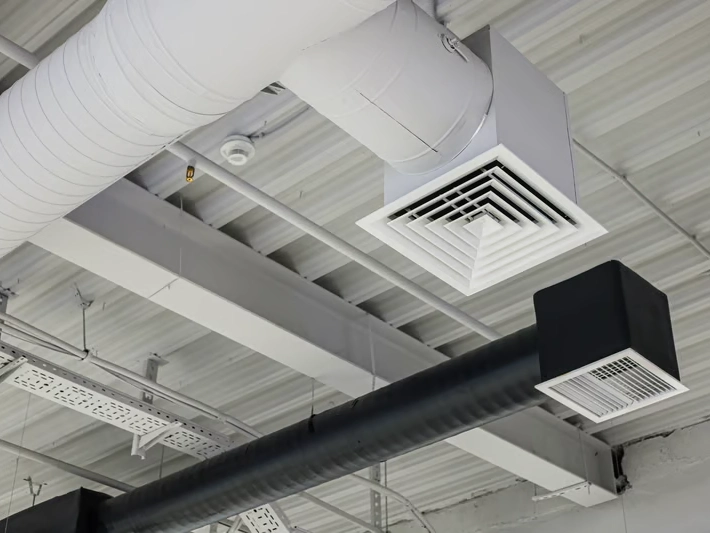
What Makes Up Your Ductwork?
Your heating and cooling unit comprises several essential parts: the heat exchanger, AC system, air pathways, and registers. Each plays a vital function in moving heated/cooled air throughout your home. When any section becomes dirty, it affects ventilation quality. That’s why a comprehensive duct camera inspection is often paired with emergency duct repair.
Benefits of Unobstructed Ventilation
Optimal circulation ensures your climate unit operates at maximum capacity. When ducts are blocked with pollutants, your blower has to overexert, increasing energy use and limiting its durability. Inconsistent circulation can also result in hot and cold spots. A licensed HVAC technician can restore ventilation efficiency and deliver lower bills.
Benefits of Professional Duct Cleaning
Better Breathing Environment
Mold spores can be up to five times more concentrated indoors than outdoors, especially in poorly ventilated homes. Residential duct service greatly diminishes these contaminants, leading to noticeable respiratory relief. Many families report fewer sneezing after a eco-friendly sanitization. If you’ve had a recent addition, debris extraction is especially important.
- Pollen elimination helps children
- Germ-killing spray prevents viral spread
Energy Efficiency Gains
A unobstructed cooling system doesn’t have to overwork to cool your home. By flushing out compacted grime, NADCA certified cleaning can enhance system efficiency by up to 40%. That means faster climate adjustment and noticeable lower electric bills. Pair this with a ventilation inspection for best performance.
Allergen and Dust Reduction
Even with quality vents, your ducts can still hold spores. These contaminants get reintroduced your home every time the system turns on. Residential air duct cleaning targets these hidden triggers. Families with young children often see the greatest improvements in respiratory health after a professional mold remediation.
Extended HVAC Lifespan
Debris inside your ducts forces your HVAC system to work excessively. This preventable pressure can shorten the durability of your equipment. Regular furnace duct cleaning maintains critical parts in premium shape. Think of it as a system reset—one that delays costly replacements and returns itself through energy savings.
Signs Your Ducts Need Attention
Moisture-Related Duct Damage
Mold thrive in damp spaces—exactly like your ductwork. If you’ve had a flood, moisture can accumulate in the liner, establishing the prime environment for spore release. This not only ruins indoor health, but can also destroy the system integrity. A NADCA certified mold remediation service includes duct camera inspection to safely destroy the problem.
Pest Infestation Signs
Rodents often invade warm spaces like ductwork. If you hear scratching in your walls or vents, or notice a unusual aroma, you may have a rodent nest. These animals shed nesting material, which become distributed when the system runs. Emergency duct repair is required to eliminate the waste and seal any compromised sections. A NADCA certified expert can handle both remediation.
Why Your House Stays Dusty
If you’re regularly wiping surfaces only to see film return within hours, your air system may be the culprit. When ventilation lines are dirty, they push debris into every room with each cycle. This is especially common after remodeling, when insulation fibers enter the system. A eco-friendly purification can clear this contamination and restore healthy airflow. Many homeowners report significant dust reduction after a professional cleaning.
Strange Smells from Vents
When you turn on your AC unit, the air should be clean. If you detect a burning odor, it could signal pests in your blower motor. A persistent mildew scent often points to leaks in the system. Acrid odors may mean overheated components. While some odors can be addressed with duct cleaning, others require a emergency duct repair service. Don’t ignore odd smells—they could indicate a serious issue needing prompt attention.
- Damp smells → mold growth
- Pungent odors → pest infestation
- Smoky scents → dusty blower
Finding a Trusted Duct Purification Expert
Why NADCA Certification Matters
Not all air duct cleaning companies are created equal. A trained contractor follows proven standards for mold remediation. They use effective tools like duct camera inspection and avoid cheap methods. In contrast, unlicensed companies may neglect key steps, damage your ducts, or overcharge you. Always verify credentials and insist on a trusted expert—your system depends on it.
- Trained techs follow cleaning standards
- Certification ensures safe system handling
- Skip unlicensed services
Questions to Ask Contractors
Before hiring any HVAC sanitization provider, question about their process, tools, and affiliations. Determine if they perform a ventilation system inspection before quoting. Do they offer high-efficiency filter installation? Are they insured and bonded? Will they provide a written estimate? A check my site certified contractor will willingly discuss all your questions and may even offer emergency duct repair options.
Red Flags to Avoid
Be wary of door-to-door sales tactics, suspiciously cheap prices, or companies that insist to repair your entire system in under an hour. These are classic markers of deception. Avoid providers who neglect to show certification, or those who use dry brushing instead of effective vacuum methods. If they rush you into signing, decline. A trusted local cleaner respects your time.
What Real Clients Say
Customer reviews can show the honest performance of a sanitization service. Look for consistent comments about cleanliness. Did they show up on time? Were the techs licensed? Was the treatment noticeable? Be skeptical of profiles with all 5-star ratings—this can indicate inflated reviews. Instead, seek out honest feedback on platforms like Google, BBB, or Yelp. The best certified providers companies have a legacy of trust.
- Great reviews often mention on-time arrival
- Negative feedback may highlight damaged ducts
- Honest reviews are more reliable than vague praise
Cleaning Methods and Equipment
Rotary Brush Systems
Spinning brush systems are a essential component of licensed air duct cleaning, designed to dislodge stubborn grime from ductwork walls. These high-torque brushes link to flexible rods that access complex HVAC pathways with accuracy.
- Thoroughly cleans biofilm in AC ducts
- Reduces airflow restriction
- Ideal for flexible pipes
Negative Air Vacuuming
Industrial vacuuming creates a closed environment that sucks loosened pollutants from the system without releasing it into your air. This step is critical for complete air quality improvement, especially after post-renovation cleaning.
Licensed HVAC technicians use advanced vacuums to ensure residue-free contaminant capture.
Compressed Air Snaking
Pulsed air techniques involve blasting bursts of high-velocity air through ducts to remove stubborn construction debris. This method is particularly effective for hard-to-reach ventilation runs.
- Enhances system efficiency
- Ideal for commercial duct cleaning
- Combines well with negative air
High-Efficiency Air Filtering
HEPA filtration captures in excess of 99.97% of particles as small as 0.3 microns, including bacteria. It’s a standard in any residential ductwork sanitation. Without HEPA, contaminants simply get spread into your breathing environment.
Trained technicians use negative air vacuums during emergency duct repair to ensure clean results.
Duct Cleaning Costs
Residential Service Rates
The typical cost for HVAC system cleaning ranges from several hundred depending on duct complexity. Larger homes with complex ventilation may see elevated pricing, but many professional duct services offer discounted rates.
Improved airflow often offset the initial cost over time.
Pricing Variables
Several critical factors influence your final quote, including number of vents. Additional enhancements like antimicrobial treatment can add to costs but deliver significant indoor air quality gains.
- Worn components may require more labor
- Post-renovation cleaning demand intensive ductwork sanitation
- Ventilation system inspection adds value
Free Estimate Availability
Most NADCA certified duct cleaning companies offer free estimates that include a airflow evaluation. This allows you to evaluate technician qualifications without commitment. A honest quote should list all services.
Post-construction cleaning may require priority booking, but initial estimates remain accessible.
Clear Duct Cleaning Quotes
Look for companies that use all-inclusive models instead of unclear billing. Transparent pricing means no unexpected costs—you know completely what you’re paying for. This includes labor and any recommended inspections.
- Itemized quote with inclusions
- Zero pressure to upgrade
- Affordable duct cleaning with real outcomes
HVAC System Upkeep
How Often to Clean Ducts
Industry standards suggest HVAC system cleaning every 3 to 5 years for most homes. However, if you have smokers, or recently completed a construction project, you may need accelerated ventilation cleaning. Office building HVAC service often requires quarterly maintenance.
NADCA certified providers can adjust your cleaning schedule based on duct camera inspection.
Simple HVAC Upkeep
While professional cleaning is essential, you can support results with simple routine steps. Consistently wipe vent covers and check for unusual odors. Avoid covering vents with curtains to maintain airflow balance.
- Replace filters as needed
- Fix visible duct gaps to prevent energy loss
- Arrange a ventilation system inspection annually
Scheduling Routine Inspections
Routine inspections by a licensed HVAC technician can prevent issues like mold growth before they become dangerous. These visits often include airflow balance testing and can be bundled with furnace duct cleaning.
Proactive maintenance leads to longer system life.
Filter Maintenance Tips
Using the correct HVAC filter and replacing it as scheduled is one of the lowest-cost ways to protect your duct system. Opt for high-efficiency filters if you suffer from pet dander issues. A clogged filter forces your system to consume more energy.
- Monitor filters monthly
- Install pleated media filters for maximum breathing comfort
- Combine filter changes with eco-friendly cleaning for total indoor air protection
FAQ Related to Air Duct Cleaning Services FAQ
When Is It Time for Expert HVAC Duct Sanitizing?
Reputable licensed HVAC technicians propose scheduling residential air duct cleaning every 3 to 5 years for ideal airflow balance. However, homes with smokers may need timely service due to increased allergen buildup.
Following a remodeling project, post-renovation cleaning is urgently advised to flush out drywall dust and debris. Same-day service can help restore home health benefits quickly and efficiently.
What Are the Key Advantages of Expert HVAC Purification?
Investing in a NADCA certified provider delivers real allergen removal. Deep mold remediation reduces volatile organic compounds by up to 90%, helping elderly residents breathe easier.
Apart from air quality, furnace duct cleaning boosts monthly utility bills. A clean system doesn’t have to work as hard, leading to better temperature control and high-efficiency filters further enhances these gains.
What Are Signs That My House’s Ventilation Ducts Need Purification?
Obvious dust accumulating on registers is a reliable sign you need air quality testing. Other clues include stale odors, frequent allergies, or a measurable drop in system output.
Licensed HVAC technicians often use ventilation system inspection to identify buildup of pollen. If you’ve had recent water damage or flood cleanup, a professional duct cleaning with antimicrobial treatment is strongly recommended.
Is DIY Duct Cleaning Worth It, or Should I Hire a Certified Service?
Despite store-bought tools promise quick results, they often disrupt deep-seated contaminants like black soot. Only a licensed HVAC technician has the industrial-strength equipment for full-system ductwork sanitation.
DIY attempts can even damage ducts, leading to emergency duct repair. For commercial properties, professional ventilation maintenance ensures lasting results with antimicrobial treatment options available.
How Is a Standard Air Duct Cleaning Service Include?
Comprehensive ductwork sanitation starts with a ventilation system inspection to evaluate contamination levels. Then, licensed HVAC technicians use HEPA-filtered vacuums and agitating brushes to extract debris from every furnace duct.
Upon completion of the purification, many professional services include antimicrobial treatment to inhibit future buildup. The process ends with an system performance test ensuring smooth air quality. Many providers offer same-day service with full transparency.